How to Spend New Year’s in Japan: Hatsumode and Traditional Customs
2025年12月30日
Experience the essence of Japanese New Year by mastering Hatsumode traditions. This guide explains correct shrine etiquette, the meaning of Osechi Ryori, and top locations. You will learn how to pray for good fortune and celebrate Oshogatsu authentically.
目次
Understanding Japanese New Year and Hatsumode
For the Japanese people, the New Year, known as Oshogatsu (お正月), is widely considered the most significant annual event. Unlike the countdown parties and fireworks often seen in Western cultures, the Japanese New Year is a deeply spiritual and family-oriented period rooted in Shinto and Buddhist traditions. It is a time for purification, renewal, and welcoming the deities that bring prosperity for the year ahead.
Central to these celebrations is Hatsumode (初詣), the first shrine or temple visit of the year. This practice is not merely a sightseeing activity but a profound cultural ritual observed by millions. Understanding the context and history of Oshogatsu is essential for visitors wishing to appreciate the solemn yet festive atmosphere that envelops Japan during the first few days of January.
The Significance of Oshogatsu in Japanese Culture
Oshogatsu serves as a spiritual reset button for the Japanese populace. Traditionally, it is believed that during this time, the Toshigami (年神), or the deity of the incoming year, visits every household to bestow happiness and a good harvest. Consequently, the days leading up to New Year’s Day are spent on Osouji (big cleaning) to purify the home and preparing traditional decorations like Kadomatsu (pine decorations) to welcome the spirit.
The celebration typically spans from January 1st to January 3rd, a period known as Sanganichi. During these days, businesses often close, and families gather to share meals and express gratitude. The focus is on starting the year with a clean slate, both physically and spiritually, ensuring that the year ahead is filled with good fortune.
| Term | Meaning | Cultural Significance |
|---|---|---|
| Toshigami | Year God | The deity welcomed into homes to bring blessings and harvest for the new year. |
| Sanganichi | The first three days | January 1–3, when most businesses close and families observe Hatsumode. |
| Matsunouchi | Week of the Pine | The period during which New Year decorations remain up (usually until Jan 7th or 15th). |
What is Hatsumode and Why It Matters
Hatsumode refers to the act of visiting a Shinto shrine or Buddhist temple for the first time in the new year. While it can technically be performed at any time in early January, most people strive to visit during Sanganichi. It is estimated that over 90 million people—more than 70% of Japan’s population—participate in this tradition annually, making it the nation’s largest shared cultural event.
The primary purpose of Hatsumode is to offer gratitude for the safety and experiences of the past year and to pray for protection, health, and prosperity in the coming one. It is a communal affirmation of hope. Whether visiting a massive complex like Meiji Jingu in Tokyo or a small neighborhood shrine, the intent remains the same: to connect with the divine at the threshold of a new beginning.
During this visit, people often engage in several rituals, such as purchasing new Omamori (amulets) and returning old ones to be ritually burned. This cycle of renewing amulets symbolizes the shedding of the past year’s misfortunes and the embracing of new protection.
History and Origins of the First Shrine Visit
The modern practice of Hatsumode has evolved significantly from its ancient roots. Historically, the custom was known as Toshigomori (年籠り), where the head of the household would seclude themselves inside the shrine of the local tutelary deity (Ujigami) from New Year’s Eve through New Year’s Day to pray and keep vigil.
Over time, this practice split into two separate visits: Joyamairi (New Year’s Eve visit) and Ganjitsumairi (New Year’s Day visit). In the Edo period, another custom called Ehomairi (恵方参り) gained popularity. This involved visiting a shrine located in the “lucky direction” (Eho) determined by the zodiac of the year to pray to the deity of good fortune.
The term “Hatsumode” and the custom of visiting famous shrines regardless of their direction or location became widespread during the Meiji era (1868–1912). The expansion of the railway network allowed people to travel easily to major religious sites like Kawasaki Daishi and Naritasan Shinshoji. Railway companies actively marketed these trips, transforming the localized, direction-based worship into the mass pilgrimage to famous sites that characterizes the holiday today.
Step by Step Guide to Hatsumode Etiquette
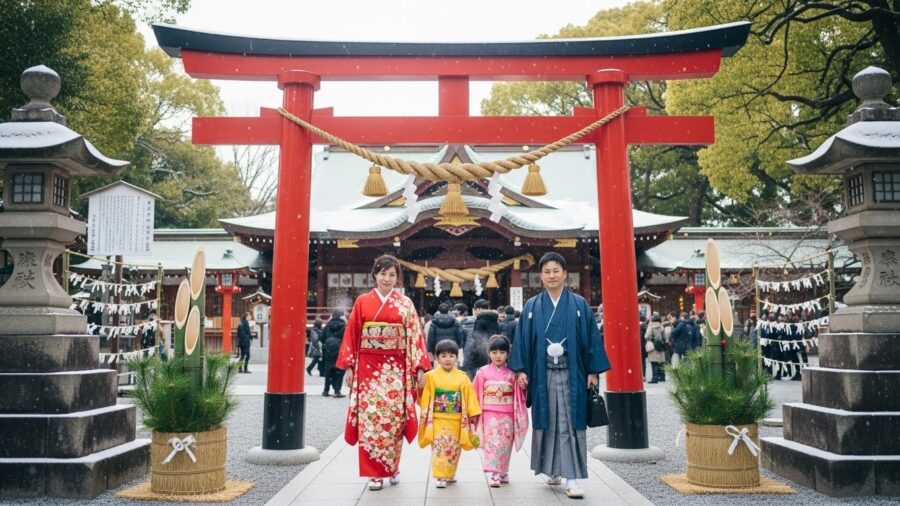
Participating in Hatsumode (the first shrine or temple visit of the New Year) is a profound cultural experience. While the atmosphere is festive, observing proper etiquette demonstrates respect for the deities and Japanese tradition. Whether you visit a Shinto shrine or a Buddhist temple, following these steps will ensure your visit is conducted smoothly and respectfully.
How to Purify Yourself at the Temizuya
Before approaching the main hall, you must purify your body and mind at the water pavilion known as the Temizuya or Chozuya. This ritual, called Temizu, washes away impurities (kegare) before you stand before the sacred deities.
| Step | Action | Details |
|---|---|---|
| 1. Cleanse Left Hand | Scoop water with the ladle held in your right hand. | Pour a small amount over your left hand to rinse it. |
| 2. Cleanse Right Hand | Switch the ladle to your left hand. | Pour water over your right hand. |
| 3. Rinse Mouth | Hold the ladle with your right hand again. | Pour water into your cupped left hand and rinse your mouth. Do not touch the ladle directly to your lips. |
| 4. Cleanse Handle | Hold the ladle vertically with both hands. | Let the remaining water run down the handle to clean it for the next person. Return the ladle face down. |
The Correct Way to Pray at Shrines and Temples
The method of prayer differs significantly depending on whether you are at a Shinto shrine (Jinja) or a Buddhist temple (Otera). Recognizing the difference is key to proper etiquette.
Shinto Shrines: 2 Bows, 2 Claps, 1 Bow
At a Shinto shrine, the standard ritual is known as Nirei Nihakushu Ichirei. After offering your coin and ringing the bell, follow this sequence:
- Bow Twice: Perform two deep bows (bending about 90 degrees) to show deep respect.
- Clap Twice: Bring your hands to chest height, slide your right hand slightly below your left, and clap firmly two times. This sound is believed to signal your presence to the kami (deities) and ward off evil spirits.
- Pray: Keep your hands pressed together (fingers aligned) and offer your gratitude and New Year’s wishes silently.
- Bow Once: Finish with one final deep bow before leaving the front of the altar.
Buddhist Temples: Silent Prayer
Temples are quieter places of worship. The key difference is that you do not clap at a temple.
- Bow: Bow gently before the main hall.
- Pray: Place your hands together in front of your chest (Gassho) and pray silently. Do not clap your hands.
- Bow: Bow once more before leaving.
Offering Saisen and Ringing the Bell
The offering box, or Saisen-bako, is usually the first thing you approach at the main hall. It is customary to gently toss a coin into the box. The 5-yen coin is considered the most auspicious choice because “5 yen” is pronounced go-en in Japanese, which sounds identical to the word for “good relationship” or “fate.” By offering it, you are praying for good connections in the coming year.
If there is a large bell with a thick rope hanging above the offering box, grasp the rope with both hands and give it a firm shake to ring the bell. This sound purifies the space and calls the deity’s attention to your presence. This should be done after offering the coin but before starting your prayer ritual.
Drawing Omikuji and Buying Omamori
After praying, it is traditional to visit the shrine office to draw an Omikuji (fortune slip) or purchase Omamori (amulets).
Omikuji predicts your luck for the year, ranging from Daikichi (Great Blessing) to Daikyo (Great Curse). If you draw a good fortune, you may keep it. If the fortune is bad, it is custom to tie the slip onto a designated rack or pine tree at the shrine, leaving the bad luck behind.
Omamori are protective charms sold for various purposes, such as traffic safety, academic success, or good health. These are meant to be kept close to you, such as in your bag or wallet, and are typically returned to the shrine to be ritually burned after one year.
For more detailed information on visiting procedures, you can refer to the official guides by Japan National Tourism Organization or Japan-Guide.com.
Traditional New Year Foods and Customs
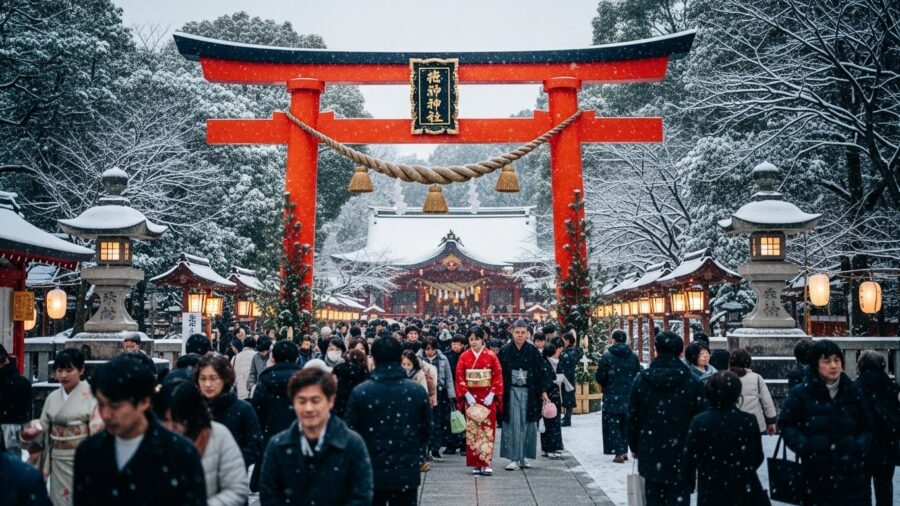
Japanese New Year, or Oshogatsu, is deeply rooted in family traditions and symbolic rituals that go beyond visiting shrines. Food plays a central role in these celebrations, with every dish carrying a specific meaning to ensure luck, health, and prosperity for the year ahead. Alongside culinary traditions, unique social customs like gift-giving and bell-ringing ceremonies help mark the transition from the old year to the new.
Osechi Ryori and Its Auspicious Meanings
Osechi ryori is the quintessential Japanese New Year feast, consisting of traditional foods packed in multi-tiered lacquered boxes called jubako. Originally, these dishes were prepared to preserve well so that families—and the gods—could rest from cooking during the first three days of the year. Each item in the box is chosen for its auspicious symbolism, representing wishes for the future.
| Food Item | Meaning and Symbolism |
|---|---|
| Kuromame (Black Beans) | Symbolizes good health and the ability to work hard (mame means diligent). |
| Kazunoko (Herring Roe) | Represents fertility and a wish for many children and a prosperous family line. |
| Tazukuri (Candied Sardines) | Signifies an abundant harvest, as sardines were historically used as fertilizer for rice fields. |
| Ebi (Shrimp) | The curved back of the shrimp symbolizes longevity, wishing for a long life until one’s back bends. |
| Datemaki (Sweet Rolled Omelet) | Resembles a scroll, representing a wish for scholarship, culture, and learning. |
| Kurikinton (Mashed Sweet Potato with Chestnuts) | Its golden color is associated with wealth and financial prosperity. |
| Renkon (Lotus Root) | The holes in the root symbolize a clear view of the future without obstacles. |
Eating Toshikoshi Soba on New Year’s Eve
On Omisoka (New Year’s Eve), it is customary for Japanese people to eat a bowl of warm buckwheat noodles known as Toshikoshi Soba, or “year-crossing noodles.” This tradition dates back to the Edo period and carries two main meanings. First, the long shape of the noodles symbolizes a wish for a long and healthy life. Second, because buckwheat noodles are easily cut compared to other types, eating them represents breaking off the hardships and bad luck of the past year before the new one begins.
It is considered bad luck to leave any noodles uneaten or to eat them after midnight, so families typically gather to enjoy this meal in the evening before the countdown begins.
Otoshidama and Nengajo Cards
For children in Japan, the highlight of New Year’s is undoubtedly Otoshidama. This is a tradition where parents, grandparents, and relatives give money to children in small, decorated envelopes called pochibukuro. The amount usually increases with the child’s age and is meant to be their spending money for the coming year.
Another widespread custom is the sending of Nengajo, or New Year’s greeting cards. Similar to Christmas cards in the West, these are sent to friends, family, and colleagues to express gratitude for their support in the past year and to ask for continued favor in the new one. The Japan Post guarantees that all Nengajo mailed by a certain date in late December are delivered exactly on the morning of January 1st. Many of these cards contain lottery numbers, giving recipients a chance to win prizes ranging from stamps to travel vouchers.
Joya no Kane and the 108 Bell Tolls
As midnight approaches on New Year’s Eve, Buddhist temples across Japan perform a ritual known as Joya no Kane. Monks ring the large temple bell 108 times, a number that represents the 108 bonno, or earthly desires and passions, that are believed to plague the human spirit. The tolling of the bell is said to purify the soul, driving away these desires and allowing people to start the new year with a clean slate.
The bells are typically rung 107 times before midnight and once exactly as the new year begins. This solemn sound is a familiar backdrop to New Year’s Eve in Japan, broadcast on television and heard in neighborhoods throughout the country. For more on experiencing these traditions, you can visit the Japan National Tourism Organization’s guide to New Year.
Popular Hatsumode Locations for Tourists
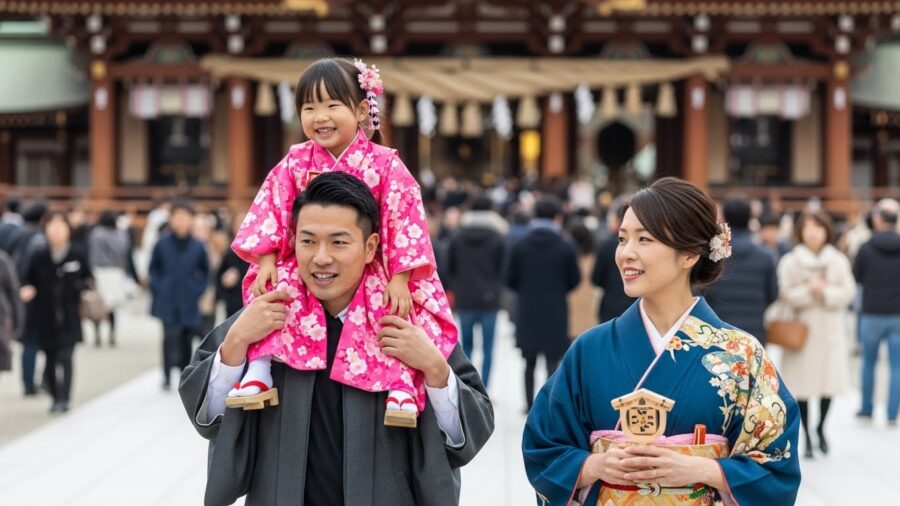
While millions of Japanese people visit their local neighborhood shrines for Hatsumode, the most famous shrines and temples attract massive crowds from all over the country. For tourists, visiting one of these renowned sites offers a spectacular, albeit crowded, glimpse into the heart of Japanese New Year culture. The atmosphere is electric, filled with the sounds of bells, clapping, and the aroma of food stalls. Below are three of the most iconic locations to experience this tradition.
Meiji Jingu in Tokyo
Located in the bustling district of Shibuya, just steps from Harajuku Station, Meiji Jingu is consistently the most visited shrine in Japan for the New Year. It typically welcomes over 3 million visitors during the first three days of January (sanganichi). Dedicated to Emperor Meiji and Empress Shoken, the shrine is surrounded by a vast, tranquil forest that provides a stark contrast to the surrounding city.
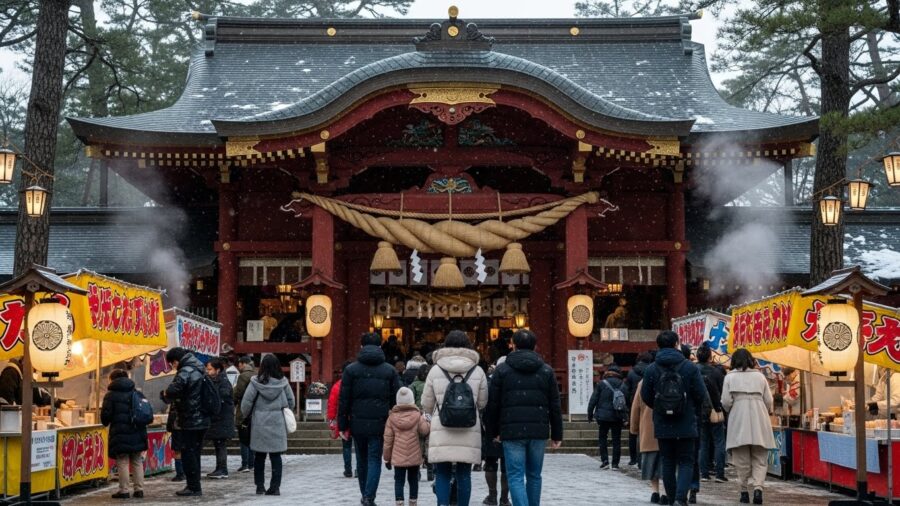
During Hatsumode, the wide gravel paths are lined with visitors patiently waiting to offer their prayers. A major highlight here is the sheer scale of the event; police and security often guide the flow of worshippers in a highly organized manner. After praying at the main hall, visitors can enjoy a wide variety of food stalls (yatai) set up in the outer precincts, selling favorites like yakisoba and sweet sake (amazake). Due to its immense popularity, it is advisable to visit early in the morning or later in the evening to avoid the peak crowds.
Fushimi Inari Taisha in Kyoto
For those in the Kansai region, Fushimi Inari Taisha is the premier destination for Hatsumode. Famous worldwide for its thousands of vermilion torii gates (Senbon Torii) that wind up Mount Inari, this shrine is the head of all Inari shrines in Japan, dedicated to the gods of rice and business prosperity. It attracts roughly 2.7 million visitors during the New Year period.
The vibrant red colors of the shrine buildings and gates are believed to ward off evil spirits and bring good fortune. Business owners and company executives often flock here to pray for corporate success in the coming year. The approach to the shrine from the station is packed with street food vendors offering local Kyoto specialties. The hike up the mountain offers a spiritual experience, though the lower levels remain extremely crowded during the holiday season.
Sumiyoshi Taisha in Osaka
Sumiyoshi Taisha is one of Japan’s oldest shrines and the most popular Hatsumode spot in Osaka, drawing over 2 million people. It is famous for its unique architectural style known as Sumiyoshi-zukuri, which predates the introduction of Buddhist influence in shrine architecture. A distinct feature of this shrine is the iconic Sorihashi Bridge (also known as Taikobashi), a steeply arched red bridge that reflects beautifully on the water below.
Locals visit Sumiyoshi Taisha to pray for safety in travel and protection from bad luck. The atmosphere here is quintessentially Osakan—lively, energetic, and filled with an abundance of food stalls offering takoyaki and other regional treats. It provides a slightly more local and traditional vibe compared to the tourist-heavy centers of Tokyo and Kyoto.
Comparison of Major Hatsumode Sites
Choosing where to go depends on your location and what kind of atmosphere you wish to experience. The following table compares these major sites to help you plan your visit.
| Shrine Name | Location | Best Known For | Nearest Station |
|---|---|---|---|
| Meiji Jingu | Tokyo | Japan’s most popular Hatsumode spot; vast forest setting. | JR Harajuku Sta. / Meiji-jingumae Sta. |
| Fushimi Inari Taisha | Kyoto | Thousands of vermilion torii gates; business prosperity. | JR Inari Sta. / Fushimi-Inari Sta. |
| Sumiyoshi Taisha | Osaka | Ancient architecture and the Sorihashi Bridge. | Sumiyoshi Taisha Sta. (Nankai Line) |
| Naritasan Shinshoji | Chiba | Proximity to Narita Airport; massive temple complex. | JR Narita Sta. / Keisei Narita Sta. |
For more detailed travel information and access guides to these locations, resources such as Japan National Tourism Organization and Japan Guide offer comprehensive logistics for New Year travelers.
Conclusion
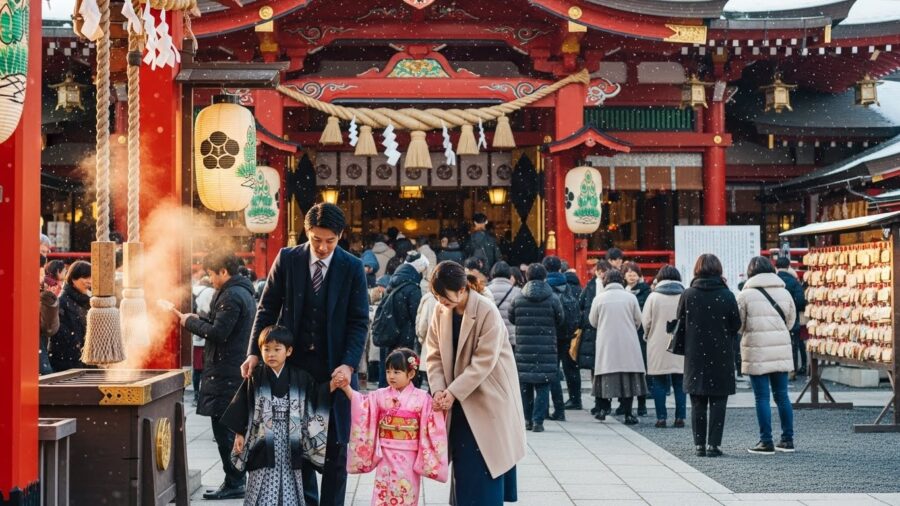
Participating in Hatsumode is more than just a sightseeing activity; it is a profound way to connect with the heart of Japanese culture. As the most significant event of Oshogatsu (New Year), it offers a unique blend of solemn spiritual ritual and vibrant festive atmosphere. Whether you stand in line at a famous location like Meiji Jingu or visit a quiet neighborhood shrine, the experience of joining millions of people in shared prayer is deeply moving.
Embracing the Spirit of Renewal
The essence of the Japanese New Year lies in the concept of starting fresh. By visiting a shrine or temple, you are not only asking for good fortune but also expressing gratitude for the past year and purifying yourself for the year ahead. The rituals you perform—from cleansing your hands at the temizuya to ringing the bell—are physical acts that help focus the mind on these intentions. Remember that while the crowds can be overwhelming, maintaining a respectful and calm demeanor is key to enjoying the spiritual side of the holiday.
Quick Reference for a Smooth Hatsumode
To ensure your first shrine visit of the year is enjoyable and respectful, keep these practical tips in mind:
| Category | Essential Tips |
|---|---|
| Best Time to Visit | January 1st–3rd for the full festive experience. Visit after January 4th for fewer crowds and a quieter atmosphere. |
| What to Bring | Cash (especially 5-yen coins for saisen offerings), warm clothing, and hand warmers (kairo) for waiting in line. |
| After the Prayer | Draw an Omikuji to see your fortune, buy an Omamori for protection, and enjoy street food from yatai stalls. |
| Etiquette Reminder | Remove hats before praying. at Shinto shrines: 2 bows, 2 claps, pray, 1 bow. At Buddhist temples: bow, pray silently, bow. |
A Cultural Experience Not to Be Missed
Beyond the prayers, the New Year period is a celebration of community. The grounds of major shrines often transform into lively markets filled with the aroma of grilled foods and the sounds of traditional music. Engaging in these customs allows travelers to see a side of Japan that is both traditional and delightfully alive. We hope this guide helps you navigate the customs of Hatsumode with confidence, allowing you to ring in the New Year with blessings, joy, and a true sense of Japanese tradition.
For more detailed information on travel logistics during this busy season, you can refer to the Japan National Tourism Organization (JNTO) or check the specific schedules on Japan-Guide.com.